How a Memory Care Facility Honors Veterans Through Sensory Storytelling
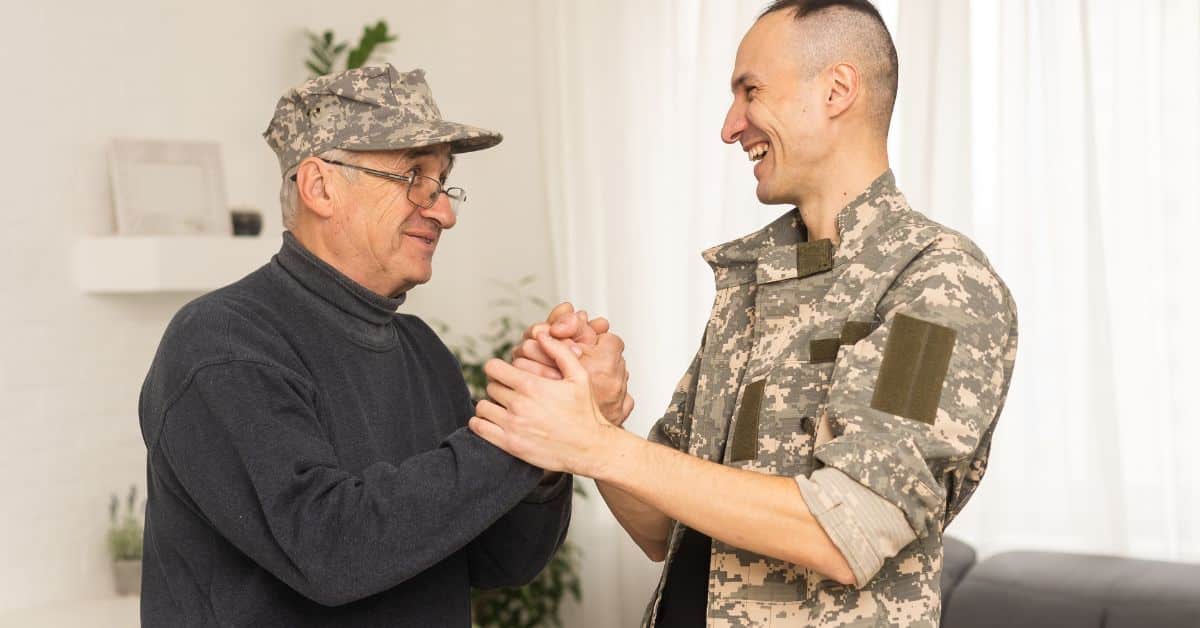
Veterans who served their country deserve care that recognizes their unique experiences and honors their service. One memory care facility in Durango, CO, demonstrates this commitment through sensory storytelling—an approach that reaches residents through sight, sound, touch and carefully chosen objects that connect them to their military past.
Veterans facing memory challenges carry stories that deserve special understanding. Their journey through cognitive decline often involves complexities that standard memory care simply cannot address effectively.
This exploration reveals why veterans need specialized memory care support, examines how sensory storytelling creates meaningful connections and shows how one community puts these veteran-focused programs into practice. You’ll see how thoughtful memory care in Durango builds experiences that truly respect and celebrate military service.
Why Veterans in Memory Care Facility Need Specialized Support?
Those who served our country deserve care that honors both their sacrifice and their unique needs. Veterans face distinct challenges as they age, particularly in memory and cognitive health.
Understanding the connection between service and memory
Military service leaves lasting impacts that many of us never fully understand. Veterans carry experiences that shape their later years in profound ways:
- Combat-related head injuries can increase vulnerability to memory decline
- Post-traumatic stress creates additional layers of complexity in cognitive health
- The combination of physical and emotional trauma from service requires a specialized understanding
For veterans living with PTSD, the path forward becomes even more challenging. The invisible wounds of service don’t simply fade with time—they can intensify as memory changes begin.
Creating a supportive environment for veterans
At communities like Sunshine Gardens West in Durango, understanding these unique needs makes all the difference. Veterans experiencing memory changes often find themselves reliving their most difficult service moments. They need more than standard memory care—they need caregivers who truly understand.
What makes veteran-focused care different:
- Recognition that everyday sounds and sensations can trigger overwhelming responses
- Understanding how PTSD symptoms can mask or complicate memory problems
- Trained staff who can distinguish between trauma responses and cognitive decline
- An environment that feels comfortable and honors their service
Your loved one’s military service shaped who they are. Their care should reflect that understanding with compassion, dignity and expertise.
What Sensory Storytelling Is and How It Works
Think of it as creating small treasure boxes filled with meaningful items. Garden Memories might include dried herbs, seed packets and flower petals. Sensory storytelling uses carefully chosen objects—things residents can touch, smell and hear—to awaken memories that might otherwise stay hidden. Imagine creating small treasure boxes filled with meaningful items that tell a story.
Collections that spark connection
Each collection holds pieces of familiar experiences:
- Garden Memories: Dried herbs, seed packets and flower petals
- Family Kitchen: Cinnamon sticks and worn wooden spoons
- Travel Adventures: Old maps, seashells and postcards from cherished places
How it works
Your brain stores memories connected to your senses in a special way. When someone touches rough sandpaper or catches the scent of fresh pine, multiple pathways open at once—pathways that often remain accessible even when conversation becomes challenging.
Memory lives in emotion more than in details. The smell of chocolate chip cookies can instantly carry someone back to their grandmother’s kitchen, complete with the warmth and love they felt there.
How Memory Care Communities Create Veteran-Centered Programs
When caring for veterans with memory challenges, specialized training makes all the difference. Our team at Sunshine Gardens understands that meaningful care goes beyond medical expertise—it requires cultural awareness, genuine respect and a deep appreciation for military service.
Understanding military culture
Creating a sense of home means speaking the language our veteran residents know. When a team member understands that “Head” means bathroom or recognizes the significance of a particular medal, it builds trust and reduces confusion. We place memory boxes outside rooms filled with military photos, medals and cherished belongings that help residents feel grounded and comfortable.
Designing spaces that support memory
Thoughtful environmental design helps residents navigate their daily lives with confidence:
- Clear wayfinding using memorable colors and distinct artwork
- Symbols and visual cues rather than text-based signage
- Personalized touches that honor each veteran’s unique journey
Our team works closely with families to understand each resident’s service history, including their branch, deployments and meaningful dates. We also identify potential triggers to create a calming, supportive environment.

Creating Home at Sunshine Gardens
Veterans with memory challenges deserve care that respects their service and unique experiences. Sensory storytelling offers a powerful way to help residents reconnect with meaningful memories when words fail. Contact Sunshine Gardens at 970-385-4090 and schedule a tour; your choice of memory care community matters significantly for veterans facing cognitive decline. Look for communities that provide specialized staff training, trauma-informed approaches and personalized environments.
FAQs
Q1. What is sensory storytelling and how does it help people with memory loss? Sensory storytelling is an approach that uses themed, real-life objects with distinct textures, scents or sounds to spark memories and emotions. It works by engaging multiple senses—sight, sound, touch, smell and taste—to activate different brain regions that help people with dementia access memories they cannot easily recall through conversation alone.
Q2. How do memory care communities train staff to work with veterans? Memory care communities provide specialized training that equips staff to recognize military-related health factors, communicate with cultural humility and deliver trauma-informed care. Staff learn military terminology (such as veterans calling the bathroom the “Head”), bedside strategies to assess risk and prevent triggers and how to build trust while respecting military culture.
Q3. What environmental features help veterans with memory loss in care communities? Communities implement clear wayfinding using memorable color schemes, distinct art placement and symbols rather than words on signage. Memory boxes outside rooms contain military photos, medals and meaningful belongings to help residents recognize their spaces.