

Brain Health at Assisted Living: The Impact of Processed Foods
Your family deserves the best care possible, yet a hidden factor might be affecting your loved one’s cognitive health right under your nose. At our assisted living in Durango, CO, this connection between what’s on the dinner plate and brain health matters more than most families realize, especially regarding senior care. Understanding how nutrition affects cognitive health becomes essential when choosing care for someone you love. Your decision about where your family member lives could influence not just their comfort, but their mental clarity for years to come.
The evidence is clear: nutrition directly impacts cognitive function in seniors. Prioritizing communities that emphasize whole foods over convenience options can significantly influence your loved one’s long-term brain health and quality of life.
How Do Highly Processed Foods Specifically Impact the Long-term Cognitive Health of Seniors?
The science behind cognitive decline tells a story that families need to hear. There is a troubling connection between ultra-processed foods and brain function—connections that matter deeply when evaluating assisted living in Durango, CO. The evidence points to specific cognitive dangers that can emerge within weeks of regular consumption.
What are the key dangers of processed foods on memory and mood?
The numbers paint a stark picture. Individuals ingesting the highest amounts of ultra-processed foods experience up to 28% faster global cognitive decline and 25% faster executive function decline over eight years (JAMA Network, 2023). This accelerated deterioration hits where it hurts most—decision-making abilities and mental processing speed suffer first.
Beyond cognitive function, these foods create emotional challenges, too. The combination of declining mental sharpness and mood changes can feel overwhelming for both residents and their families.
Explain the biological link between inflammation caused by processed foods and Alzheimer’s risk
Understanding what happens inside the body helps explain why these dietary choices matter so much. Ultra-processed foods trigger inflammatory responses that don’t stay localized—they travel throughout the body and reach the brain, causing oxidative stress and cellular damage.
This chronic inflammation directly contributes to amyloid plaque development, one of Alzheimer’s key markers. Processed meats pose particular risks because their nitrites and N-nitroso compounds accelerate oxidative stress, lipid peroxidation and pro-inflammatory cytokine activation. Think of it as the body’s defense system turning against the brain itself.
What Are Some Easy Food Swaps for Better Brain Health?
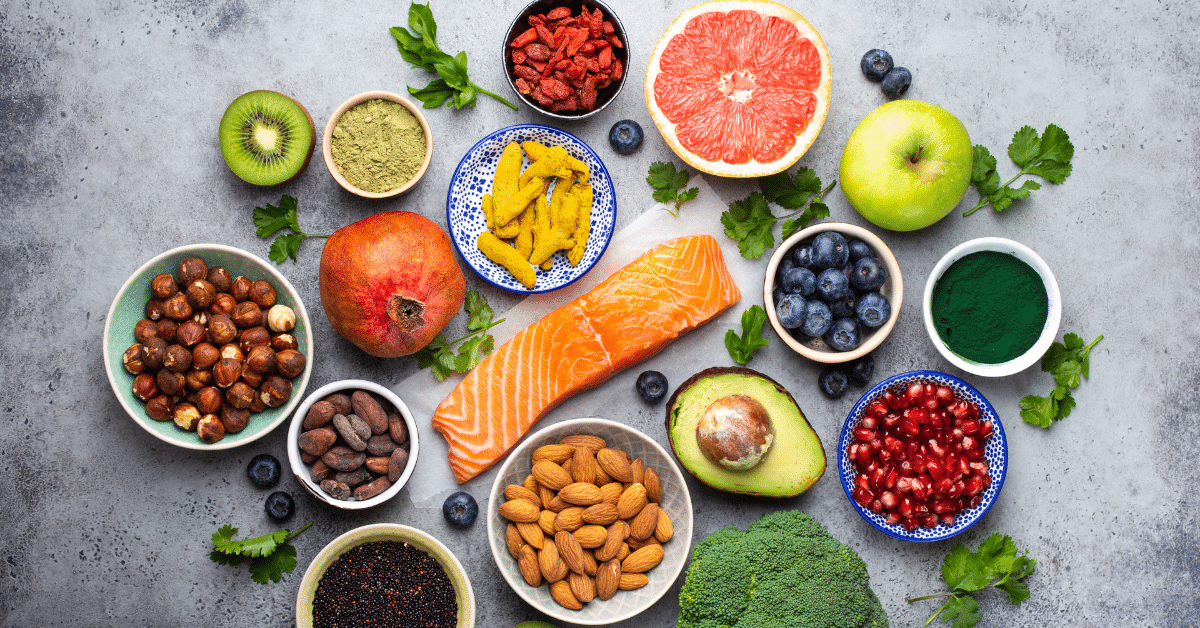
1. Swap sugary cereals for oatmeal with berries
Breakfast sets the tone for brain health throughout the day. Plain oatmeal topped with berries—especially blueberries or strawberries—provides steady energy without the sugar spikes that harm cognitive function.
2. Replace deli meats with grilled chicken or tofu
Those convenient sandwich meats—hot dogs, sausages and deli slices—rank among the most harmful ultra-processed foods. Grilled chicken or tofu might require slightly more preparation, but they align with brain-protective eating patterns like the DASH and MIND diets. Your loved one’s cognitive health is worth this extra step.
3. Choose water or herbal tea over soda
Sweet drinks deliver concentrated harm to brain function. Water infused with berries or cucumber provides refreshment without the cognitive risks. Green tea brings added benefits through polyphenols and antioxidants that may help prevent Alzheimer’s disease.
4. Use fresh fruit instead of packaged desserts
Refined sugar desserts fuel brain inflammation, but fresh or frozen fruits satisfy sweet cravings naturally. Try frozen mango chunks or half a banana dipped in dark chocolate for an occasional treat. These options taste indulgent while supporting brain health.
5. Opt for homemade soups over canned versions
Canned soups pack excessive sodium and preservatives that work against cognitive wellness. Simple homemade vegetable or chicken soups allow facilities to control ingredients while adding brain-boosting leafy greens. The difference in taste and health benefits makes this swap worthwhile.
Prioritizing Health
You have more influence over your loved one’s care than you might realize. When evaluating assisted living in Durango, CO, seek communities that understand nutrition as medicine. Their commitment to whole foods reflects their commitment to your family member’s well-being.
Your advocacy matters. Contact us at 970-385-4090 today to discuss dining options in our community, Sunshine Gardens West, that support comfort and cognitive health. The conversation you start today could protect the memories that matter most tomorrow.
FAQs
Q1. Do processed foods really affect brain health in older adults?
Yes, they can—and quite a bit. Ultra-processed foods may speed up cognitive decline, which can impact things like memory, decision-making and how quickly the brain processes information. Individuals ingesting the highest amounts of ultra-processed foods experience up to 28% faster global cognitive decline and 25% faster executive function decline over eight years.
Q2. What are some simple food swaps seniors can make for better brain health?
There are plenty of easy changes that can make a big difference. For example:
- Try swapping sugary cereals for oatmeal topped with berries.
- Choose grilled chicken or tofu instead of deli meats.
- Consume water or herbal tea instead of soda.
- Pick fresh fruit over packaged desserts.
- Make homemade soup instead of reaching for the canned stuff.
Little changes like these can really support brain health over time.